

A Clear View Ahead.
George was built because the problem was too clear to ignore and the tools to address it responsibility had finally arrived.
The idea was born.
George's story began in a constitutional law seminar at Georgetown University. A student met Jim Sandman, former president of the Legal Services Corporation, and learned just how wide the justice gap really is. Millions of people navigate courts alone every year — without a lawyer, without guidance, without any real understanding of what comes next. That landed.
What followed was months of field research: sitting in DC tenant courts and Virginia General District Courts, walking through self-help legal libraries, and spending time at legal aid centers where the gap is widest and the need most acute.

A question kept surfacing: why wasn't anyone using AI to address this?
The technology seemed purpose-built for the problem. But so were the landmines. AI positioned loosely between the judiciary and the public is a recipe for harm, and courts already knew it. The Supreme Court of Virginia and others across the country had issued AI guidance for a reason.
Still — there had to be a way to do this responsibly.

The insight was structural: keep AI in a conversation layer, where it does what it's genuinely good at — talking to people — while a decision architecture grounded in Virginia law handles the substance underneath. It identifies key facts, determines where a self-represented litigant stands in their case, and prepares guidance accordingly. Not a chatbot over a search engine. A system with real guardrails, built on law, not just trained on it.
An invitation to attend a meeting of the Virginia Access to Justice Commission sealed it. We've never looked back.
Our governance framework was built out of Virginia law before we wrote a single line of production code. That isn't incidental — it's the only responsible way to build something that operates this close to the courts.
The result is George. A platform built with the judiciary, not just for it. Virginia-native. Governance-first. Designed to earn institutional trust the hard way: by deserving it.
Mission Locked. By Law.
George is being established as a Virginia Public Benefit Corporation. A Public Benefit Corporation (PBC) is a legal business structure that requires the company to pursue a specific public benefit alongside — and with equal legal weight to — financial returns. Unlike a traditional corporation, a Virginia PBC's directors are legally obligated to consider the interests of those affected by the company's decisions, not just shareholders.
For George, this means our access-to-justice mission is a legal obligation, enforceable and permanent. Courts, legal aid organizations, and the litigants we serve will always be central to every decision we make.
This structure was chosen deliberately, before George had a single user, because we believe the institutions we are asking to trust us deserve that commitment in writing.

Publicly Stated Mission
"To improve access to justice for self-represented litigants in civil proceedings by providing accurate, accessible, and court-adjacent procedural guidance through responsible use of artificial intelligence."
Where George is Going
Phase 1 - Now
Virginia Tenant Law
Unlawful detainer matters for self-represented tenants in Virginia.
Pilot project deployment in cooperation with the Virginia judiciary.
Phase 2
Consumer Debt & Uncontested Divorce
Expansion to additional high-volume SRL domains within Virginia and expansion to other regions in Virginia.
Phase 3
Additional States
Jurisdiction-specific decision trees for tenant, family, and debt-collection law in additional states, developed in partnership with courts, court-adjacent institutions, or Access-to-Justice bodies.
George?
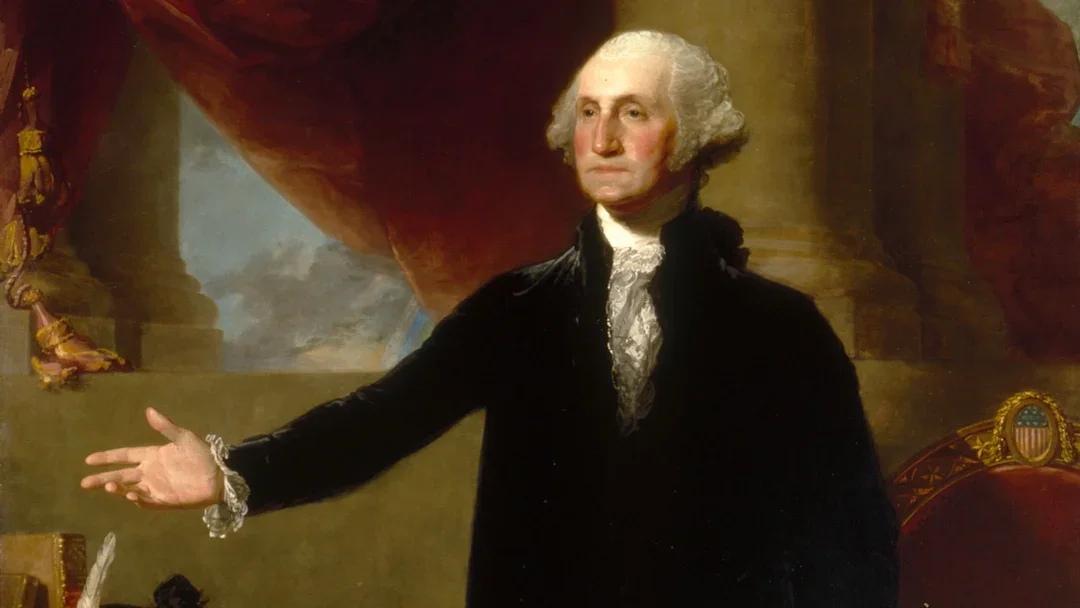
George is named for George Washington, Virginia's most iconic citizen, and a leader known for steady, principled guidance when the path forward wasn't clear. Washington believed the strength of a republic rests on equal access to its laws. We built George on the same principle.